

By Balaji | April 10, 2025
The ChatGPT Effect: Being Smart or Just Working Fast?
-Vismaya Vishwa
The rise of AI-powered chatbots like ChatGPT has transformed digital learning, offering instant answers that help students easily complete assignments and meet deadlines. Since the pandemic, digital education has grown exponentially, and AI-based platforms have become a staple in academia. But does AI improve our knowledge and add to the learning process, or is it simply making it easier to copy and paste?
AI as a Tool for Expanding Understanding
In some cases, AI serves as a tool to expand understanding. Nirupama N, currently pursuing her master’s in business psychology in Australia, frequently turns to ChatGPT. “That’s usually the first place I go to. I use it to generate more ideas,” she says. She believes AI helps her think outside the box by introducing perspectives she might not have considered otherwise.
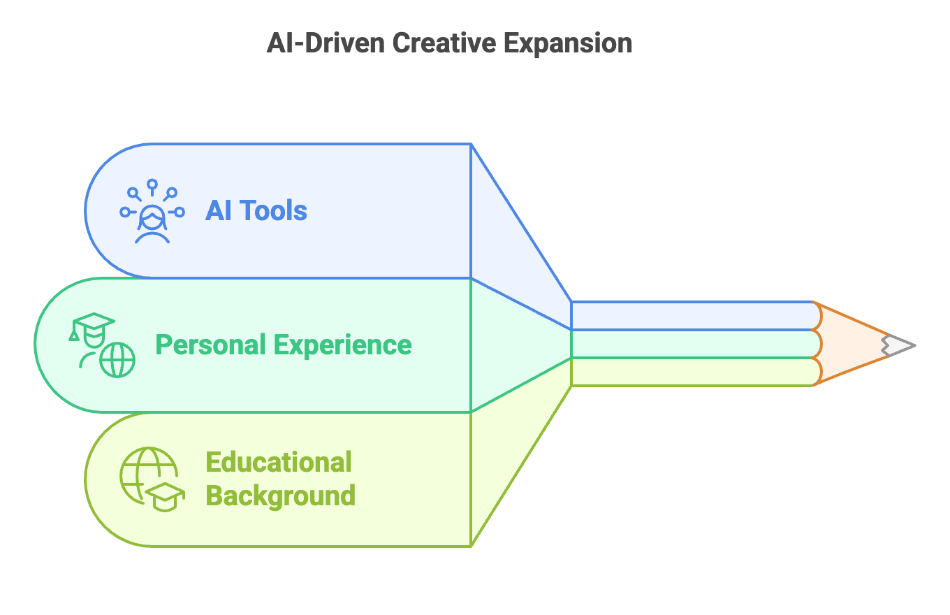
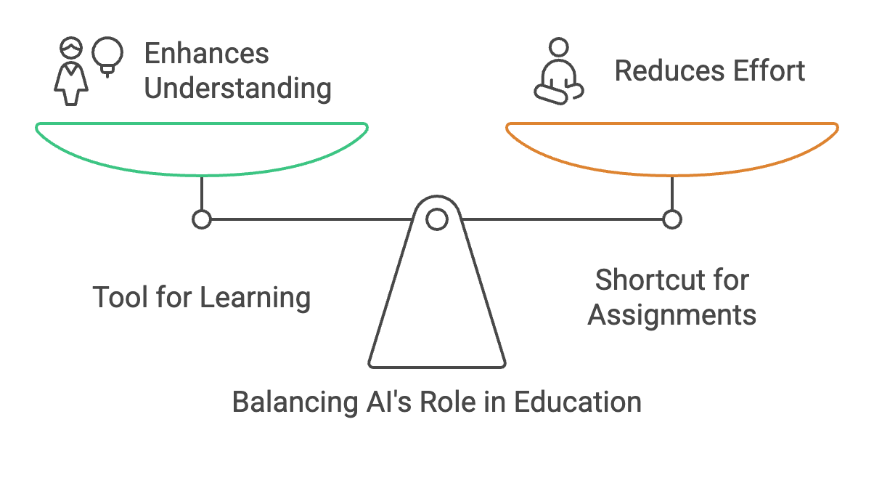
Similarly, Khushi, an MSc Psychology student in Bangalore, finds ChatGPT useful for research. “It helps me understand concepts better and gives me insights that I can read up on further,” she explains. However, she admits to using it as a shortcut for assignments she finds uninteresting. Here, AI functions as both a tool for deeper learning and as a way of avoiding effort.
Regulation and Ethical Considerations in Academia
Responding to the growing use of AI, the University Grants Commission (UGC) in India has issued guidelines to regulate its use in academia. Universities are allowed to use AI for translating texts and study materials into Indian languages while emphasizing the importance of human insight and academic integrity. However, ensuring that AI remains a supplement rather than a replacement for genuine learning remains a challenge.
Professors’ Perspectives on AI in Education
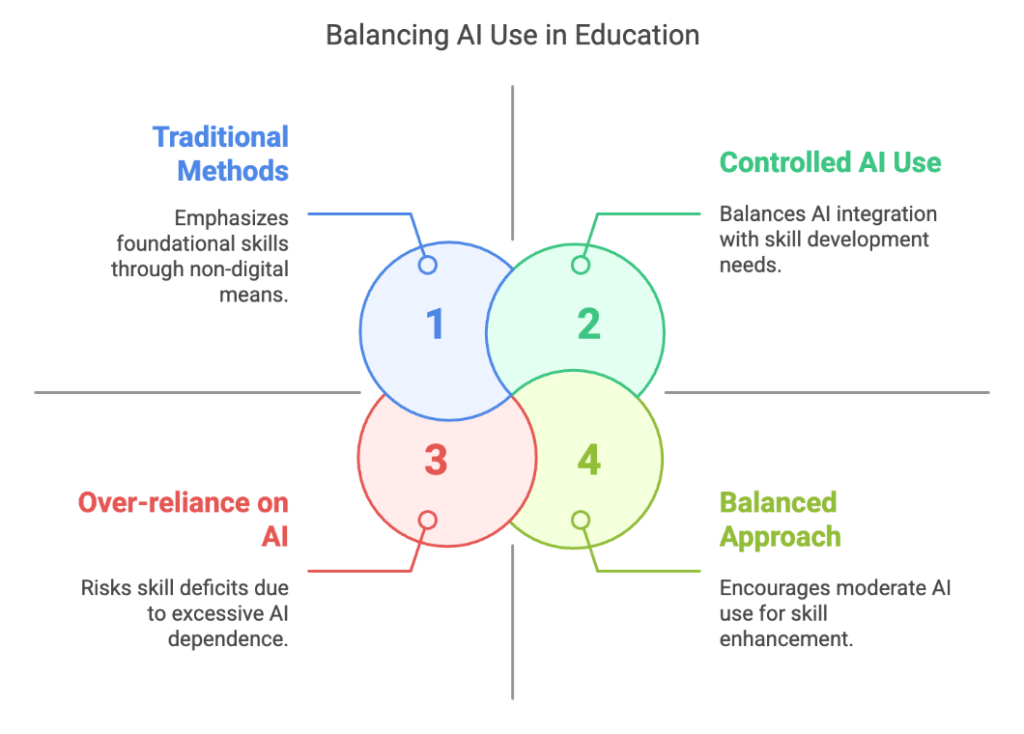
Professors have mixed views on AI’s role in education. Roshan Machayya, an Assistant Professor at a private university in Bangalore, acknowledges AI’s potential but remains cautious about over-reliance. “I’m not inherently against AI, but it’s just a tool. Like any other tool, it’s useless if your communication skills are poor or your foundations are weak,” he states.
To moderate AI use, he relies on traditional pen-and-paper assignments, even though it increases the workload for evaluators. His university employs Turnitin to detect AI-generated plagiarism, but he admits the system isn’t foolproof. “If a student is suspected of AI plagiarism, they must appear for an oral viva,” he adds. Additionally, Roshan also recognizes AI’s growing importance in the job market. “Denying students access to AI entirely prevents them from developing necessary skills. I’ve proposed allowing up to 20% AI use to help them strike a balance.”
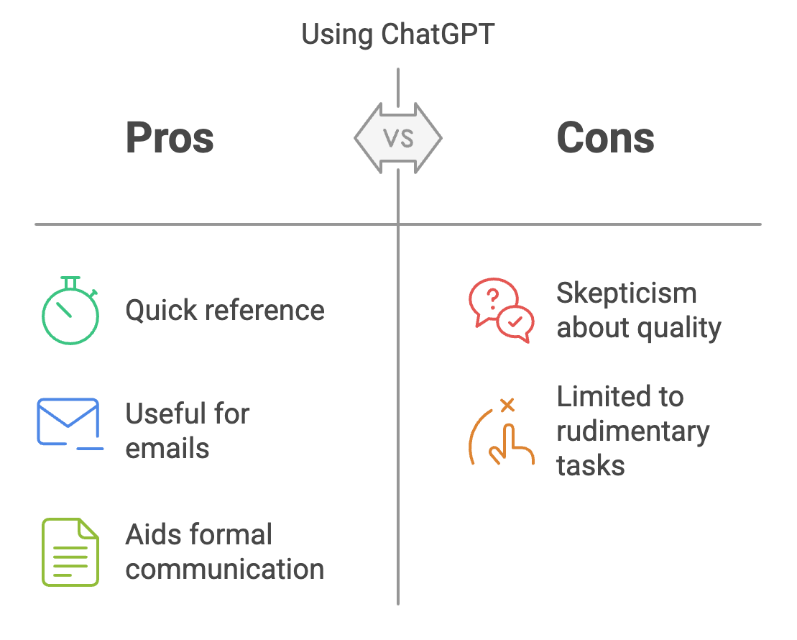
Chinnappa B.G., Assistant Professor of English at a private university in Bangalore, shares a similar perspective. While he does not encourage students relying on ChatGPT, he himself finds it useful as a quick reference tool. “I often use ChatGPT as a substitute for search engines. The brief information it provides is helpful for tasks like responding to emails and drafting formal communication,” he says. However, he remains sceptical about the quality of AI-generated content and prefers to use it only for rudimentary tasks.
AI as a Study Partner
Some students see AI as more than just a tool—it’s a study partner. Prateek, a BBA student in Bangalore, prefers to collaborate with AI rather than merely use it. “It mostly supplements my learning. I’d say ChatGPT is like my Jarvis. When I’m studying for an exam, I ask AI for additional insights that aren’t covered in my course materials.”
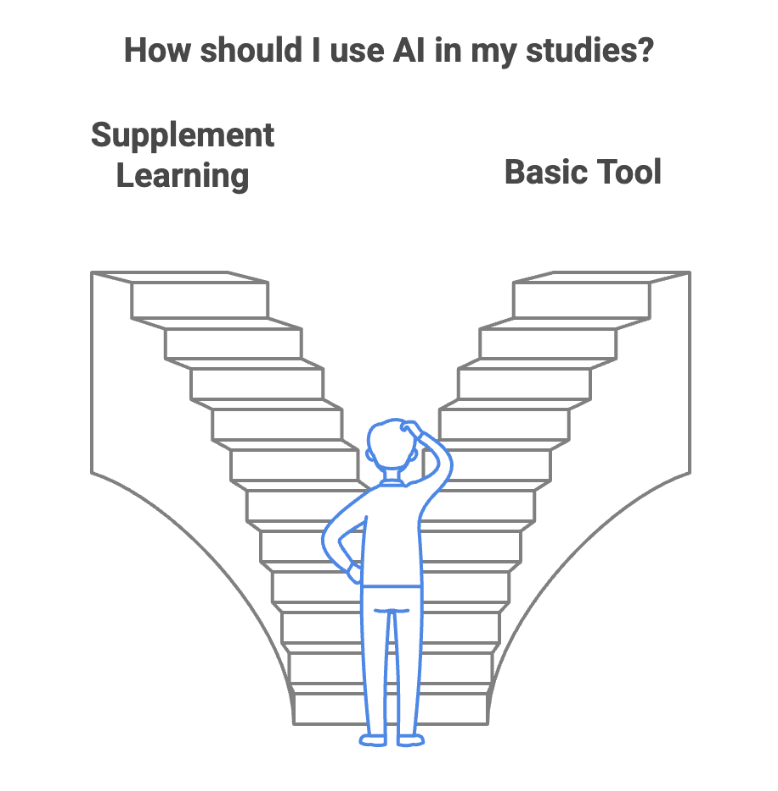
Striking a Balance: The Future of AI in Education
The debate over AI in education comes down to balance. Yes, AI does add to the quality of learning and research, but it’s fair to say that over reliance compromises academic integrity and critical thinking. The key question, though, remains: Should universities adopt AI as a skill development tool or strictly regulate its use to maintain academic rigour? The challenge lies in not just adapting to AI, but in using it responsibly.
Related posts:
No related posts.